
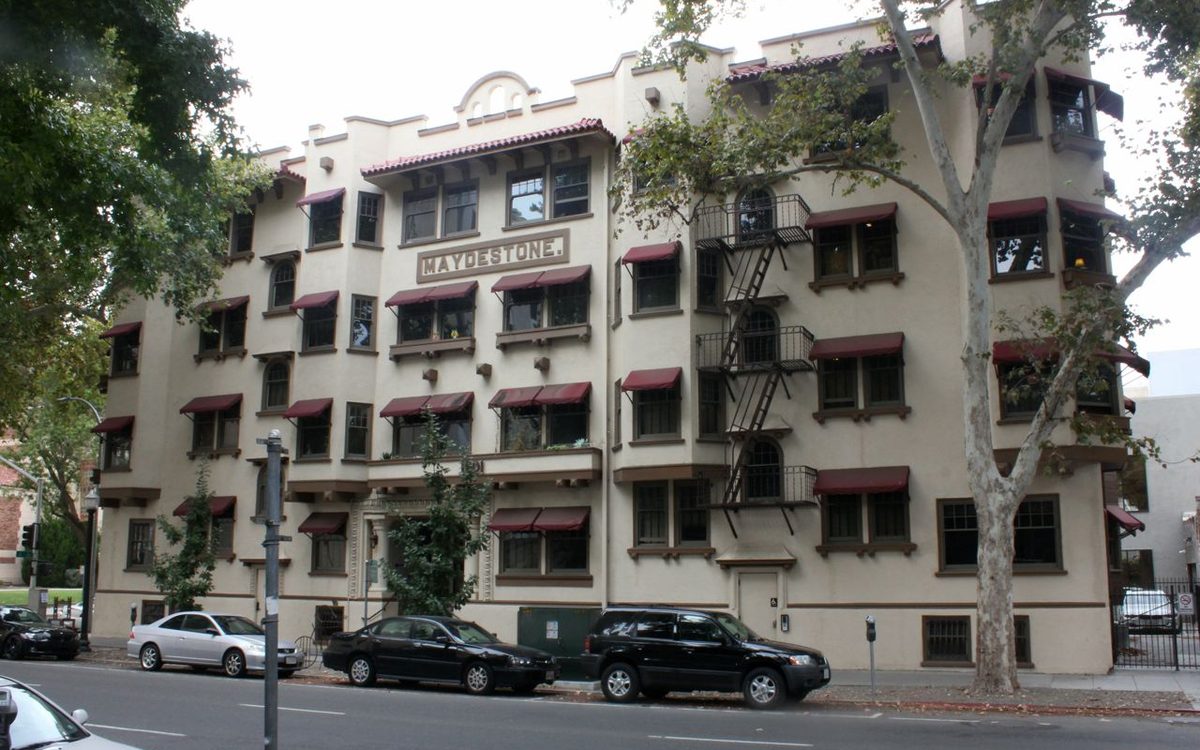
Painting a block of units or a townhouse complex isn't one big house job - it's a shared-property project with a committee, a budget cycle and residents living through the work. Here's how it runs when it runs well.
What usually gets painted
Stairwells, balustrades and railings, corridors, entry lobbies, rendered facade sections, fences, carports and garage doors. Exterior common areas weather like any facade; interior common areas wear faster than homes because of traffic.
How committees should approach it
- Scope first, quote second. Walk the property and list exactly which areas and surfaces are included. A quote that says "paint exterior" is a dispute waiting to happen.
- Get comparable quotes. Each painter should price the same scope, the same preparation standard and a named paint system. The cheapest vague quote is rarely the cheapest job.
- Ask about staging. Good contractors plan around residents: which building, which days, how access is managed, where drying paint signs go up.
- Check insurance and references. Body corporates carry obligations to owners and tenants. Current insurance and contactable strata references are table stakes.
During the job
Communication is most of the battle. Residents need notice before their building is painted, clear instructions about windows and balconies, and a contact for issues. A contractor who runs strata work regularly will have a system for this.
Colour decisions
Most complexes repaint in the existing scheme or a close update of it - it keeps approvals simple and avoids the patchwork look of half-updated buildings. If the committee wants a genuine colour change, sample boards at a general meeting beat arguing over paint chips in an email thread.
Maintenance cycles
Exterior common areas typically cycle on a multi-year repaint plan; high-touch interiors more often. A sensible forward budget beats a special levy when everything fails at once.
Interior common areas: a different beast
Corridors, stairwells and lobbies in occupied buildings take constant traffic and can't be closed for long. Work is staged floor by floor or wing by wing, timed around peak movement, with fast-drying hard-wearing products so areas reopen quickly. Handrails, door edges and lift surrounds are the high-wear zones that decide which paint system gets specified.
Owners, tenants and notices
Tenants need notice they can act on: when their corridor or carpark is being painted, what to move, who to call. A single clear notice through the manager, followed by day-before reminders on the affected floors, prevents most complaints. Owners need the scope and the warranty in writing for their records and future AGMs.
What a strata painting quote should show
A proper scope lists every surface by area, the preparation standard for each, the named paint system and coat count, the staging plan, insurance details, and the workmanship warranty. If two quotes differ wildly, the scope is usually why - one is pricing preparation the other plans to skip.
Insurance and the paperwork
Strata work needs current public liability insurance sized for common property, and committees should sight the certificate, not take a verbal yes. Quotes should name the insurer level, the products specified, and the warranty in writing. When the work is over shared property, the paperwork is part of the job - it's what the committee answers to its owners with.
Getting a repaint approved at the AGM
Most committees table painting at a general meeting, which means the quote has to survive owners who never met the painter. What helps: two or three comparable quotes on the same scope, a one-page summary of areas and staging, photos of the worst sections, and a proposed funding path - maintenance plan budget or a staged levy. A contractor who has supplied AGM-ready documentation before will know exactly what the manager needs in the pack.
Warranty and handover
On completion the committee should receive the workmanship warranty in writing, the product and colour schedule used on each area, and leftover touch-up paint labelled by location. Those records make the next committee's maintenance decisions easy and stop the slow drift of unmatched touch-ups that ages a building between repaint cycles.
We work with committees and owners' managers across Melbourne's south east. Call 0420 596 677 to talk through your complex.