
Collecting a few painting quotes is standard advice. The harder part is comparing them, because two quotes for "the same job" are often for different jobs. In one public forum thread, a homeowner described quotes for the same roof job ranging from $3,000 to $20,000 (Whirlpool forum archive). One anecdote is not a market range, but it shows how differently the same job can be scoped.
Here is a method for comparing quotes properly, line by line.
Step one: line up the scope before the price
Write down the areas each quote covers, in your own words: which rooms or elevations, which surfaces (walls, ceilings, trim, doors), and roughly how many coats. Then check each quote against your list. A quote that skips the ceilings or the window frames is not cheaper than one that includes them. It is smaller.
If a quote is vague about scope, ask for the detail in writing before you compare it to anything else. A one-line price with no breakdown cannot be compared.
Step two: find the preparation allowance
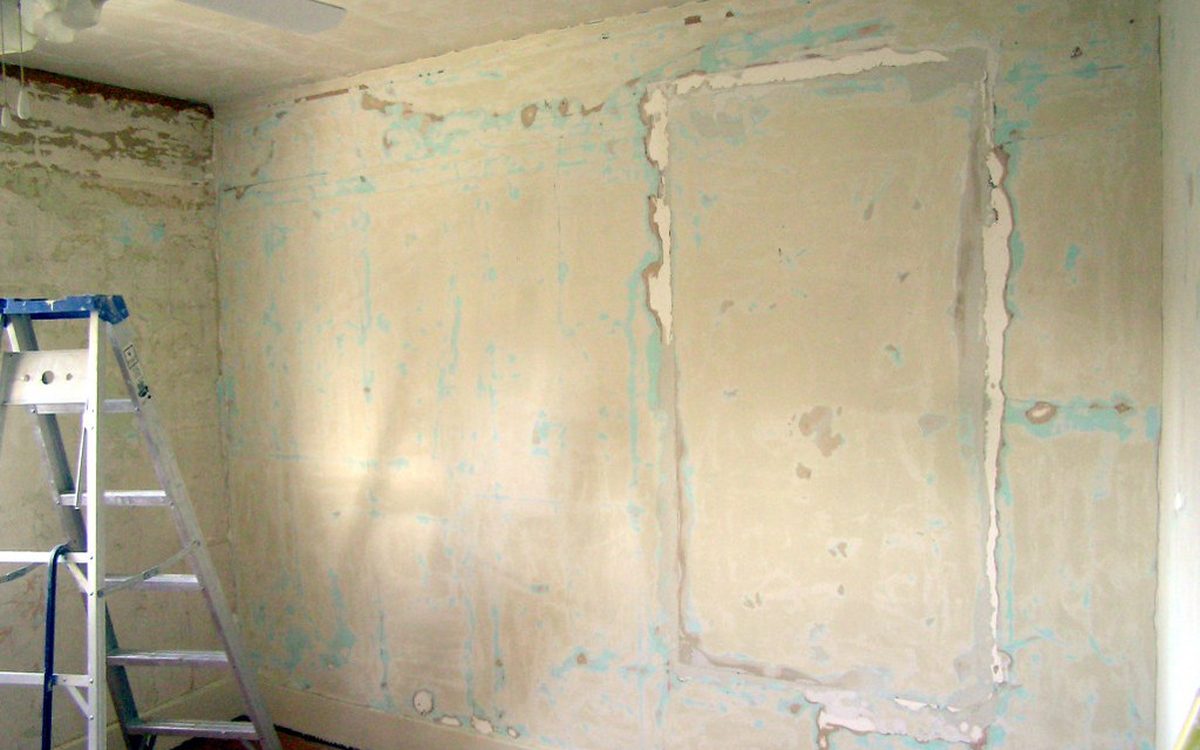
Preparation can make a big difference to quotes, and the difference is hardest to see here. Look for the specifics: washing, scraping, sanding, gap filling, patching, stain blocking, priming. A quote that says "prep and paint, two coats" gives you nothing to check. A quote that lists the preparation for each area gives you something concrete to compare.
When two quotes are far apart, the preparation allowance is the first place to look. A cheaper quote may cover less work, so ask each painter to list the preparation they have allowed; the answers make the comparison fairer.
Step three: read the exclusions and the fine print
Check whether anything is excluded. Common exclusions are repairs to rotten timber, render crack repairs, moving furniture, and painting behind fixed fittings. What matters is that they are written down. When one quote excludes timber repairs and another is silent, ask. Silence on paper is hard to rely on later.
The same goes for payment terms: have them written into the quote, including what is due and when.
Step four: check the basics are answerable
Before comparing prices, ask each painter for proof of current public liability insurance and for recent local jobs or references you can check. These are basic questions, and a painter who works locally should be able to answer them quickly.
Step five: compare like with like, then ask about the gap
Once scope, preparation, exclusions and terms are lined up, the prices can be compared fairly. If a gap remains, ask about it. A painter who has priced higher should be able to explain why: more coats, more preparation time, or a longer schedule. The explanation is part of what you are comparing.
The short version
Do not compare totals. Compare scope, preparation, exclusions and written terms first, then the price. For the cost side of the equation, see what drives the cost of painting a house, and for choosing between the painters themselves, how to choose a painter.
Step six: timing, warranty and how the job runs
Two more things belong in the comparison. First, timing: when each painter can start, how long they expect the job to take, and how they handle weather delays on exterior work. Second, warranty: what workmanship warranty is offered, in writing, and what it actually covers. A painter confident in their preparation has no trouble putting a warranty period on paper.
Ask how the job runs day to day as well - who supervises, what time the crew arrives, how the site is left each night. The answers predict the experience better than the price does.
A worked example
Two quotes for the same weatherboard repaint: one at $8,000, one at $12,000. Read line by line, the cheaper one excludes the roofline trim, allows no spot-priming, says nothing about gap filling, and prices one topcoat. The dearer one includes fascia and gutters, full scraping and sanding allowance, gap filling, spot-priming of bare timber, and two topcoats. The gap isn't margin - it's the job. Line the scopes up first, and most price differences explain themselves.
Prime Painting Experts offers free quotes with no call-out fee. Call 0420 596 677 to talk through your job.