
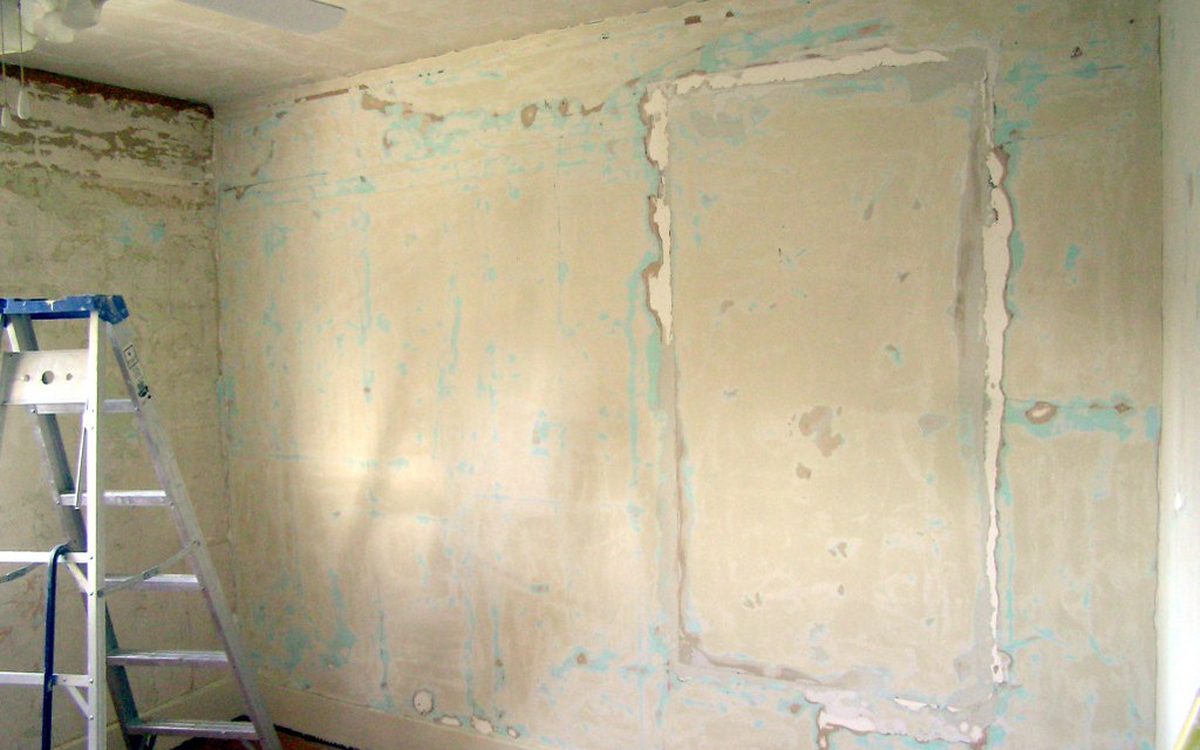
A bit of preparation before the painters arrive makes the job faster, cleaner and sometimes cheaper. None of it is hard, and none of it is strictly required - a good crew will work around you - but the jobs below are the difference between a smooth week and a frustrating one.
Clear the small things
The single most helpful thing you can do is clear small items from the rooms being painted: ornaments, lamps, books, photos, kitchen and bathroom bench items, and anything on top of wardrobes or shelves. Pack them into boxes or another room. Fifteen minutes of your time saves an hour of ours, on every room.
Take down curtains, blinds and wall hangings in the rooms being painted, unless we have agreed to handle them. If you want the hooks and rods painted around or removed and refitted, mention it when we quote.
Leave the big furniture to us
Beds, sofas, tables and cabinets can stay. We move larger pieces to the middle of the room and cover them, along with the floors. Tell us about anything especially heavy, fixed or delicate - a piano, a wall unit full of glassware, an aquarium - when we quote, so it is planned for rather than discovered on the day.
Plan for pets and kids
Wet paint and curious animals do not mix, and neither do open ladders and toddlers. Arrange for pets to be in a closed room, with a friend, or at a daycare for the days the main areas are being painted. Tell us about pets when we quote - we like them, we just do not like paw prints in enamel.
Think about access and parking
We will be carrying tins, ladders and drop sheets in and out all day. A clear path to the rooms being painted and a parking spot close to the door genuinely help. If access is tight - units, apartments, narrow side paths - mention it early so we bring the right gear.
Flag the problems you know about
You know your house better than anyone. If a ceiling stained after last winter's leak, a wall gets damp, a door sticks, or a patch of render sounds hollow, point it out before work starts. None of it is a problem - it is exactly what preparation is for - but surprises found mid-job are slower and sometimes dearer than the same issues planned from the start.
Decide your colours before day one
Paint cannot be untinted. Samples are cheap and walls are not, so test your colours on the actual walls, look at them morning and evening, and be certain before we start. If you are stuck between two, say so - talking colours through is part of the job.
What you do not need to do
You do not need to wash walls, fill holes, sand anything or buy drop sheets. That is our side of the line, and it is priced into the job. Whether you stay home or head out is up to you - room staging and timing are agreed before work starts so the house stays liveable.
The short version
Clear the small things, plan for pets, flag the known problems and lock in your colours. Everything else - the covering, moving, filling, sanding and painting - is what you hired us for.
After the crew arrives
Preparation doesn't end at the door. Walk the job with the painter on the first morning and point out everything you care about - the cracked cornice, the garden bed, the cat. Keep pets and kids clear of wet paint and open tins, and agree where the crew washes up and stores gear overnight. Small agreements on day one prevent every friction on day five.
What the crew handles
Preparation has two halves, and only one is yours. The crew handles the surface work: washing, scraping, sanding, filling, masking, sheeting, and the daily tidy-up. Owners handle the household half: fragile items, curtains, access, pets and decisions. When both halves are done the painting itself is the fastest part of the whole job.
Booking a repaint with Prime Painting Experts? Call 0420 596 677 and we will talk you through exactly how to get ready.