
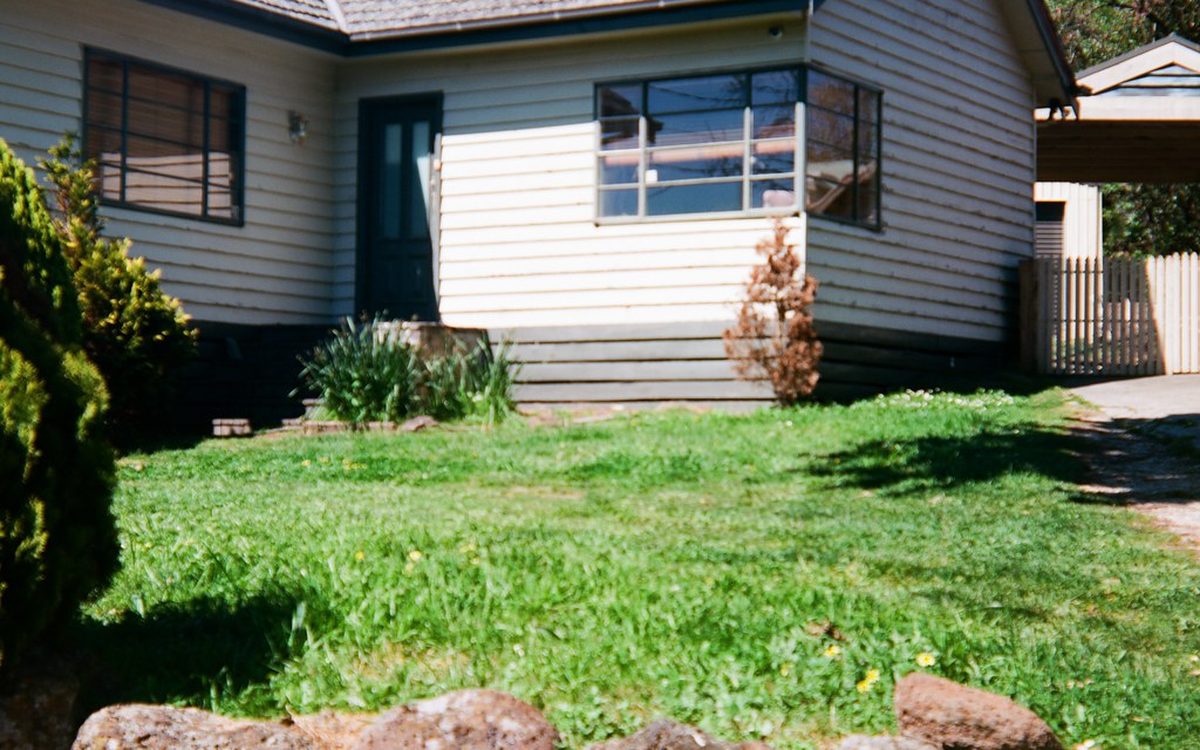
Weatherboard homes are all over Melbourne's older suburbs, and they turn up in the south east too. Timber is a beautiful cladding, but it moves, it weathers, and it shows every shortcut in the paint job before it. A proper repaint is mostly preparation.
Start with the timber, not the paint
Every board gets checked before anything else. Soft spots, rot at the bottom edges near the ground, and boards that have cupped or split need repair or replacement first. Painting over rot doesn't hide it for long - it hides it just long enough to get worse.
Loose and flaking paint comes off by scraping and sanding back to a firm edge. This is the slow, unglamorous part of the job, and it's where most of the result is decided.
Gaps and joints
Timber moves with moisture and temperature, so the filler has to move too. Flexible exterior-grade filler goes into gaps at board ends, around windows and along joints. Rigid fillers crack out within a season or two.
Bare timber needs primer
Anywhere the sanding has gone back to bare wood, an exterior wood primer seals the timber and gives the topcoats something to grip. Skipping primer on bare patches is why some boards peel years before the rest.
The paint system
Two topcoats of a quality exterior acrylic is the standard system. Lighter colours last longer on timber because they absorb less heat; very dark colours on sun-facing boards can push timber movement hard enough to shorten the coating's life. Worth knowing before you fall in love with a charcoal weatherboard.
How long should it last?
A well-prepared weatherboard repaint in Melbourne conditions should give you many years before it needs attention again - sun-facing walls will always weather faster than shaded ones. Our repaint timing guide covers the signs to watch for.
The bottom boards and the weather side
Not all of a weatherboard house ages at the same rate. The bottom courses near the ground cop splashback and garden moisture; the north and west elevations cop the sun; and the wall under deep eaves barely weathers at all. A careful repaint treats them differently - extra attention to sealing and priming the weather side and the bottom boards, because that's where failure starts.
Insulation and board movement
Older weatherboard homes breathe and move more than modern construction. Boards expand across their width as humidity changes, which is why joints are gapped with flexible filler rather than made rigid, and why paint films on weatherboards need flexibility more than hardness. Rigid systems on moving timber crack; flexible systems ride the movement.
Working around gardens and paths
Weatherboard repaints happen at ground level, right where the garden beds are. Plants get tied back or shielded, paths are masked from scrapings and drips, and scrapings are collected, not raked into the lawn. It's ordinary care, but gardens are where a careless crew leaves its signature.
Painting between the boards and under the edges
The laps between boards are where coating failures start, because paint thins at edges and moisture sits in the shadow line. Brushing or spraying into the laps and under each board's bottom edge - rather than rolling the faces and hoping - is the difference between a repaint that lasts and one that peels from the gaps first.
Heritage overlays and colour changes
Older weatherboard pockets in Melbourne sometimes sit under council heritage overlays, and an overlay can limit colour changes or even require a permit for exterior painting. Before falling in love with a new scheme, check the council's planning map for the address. Repainting in the same or a similar palette rarely raises issues; a dramatic change on a contributory building is worth a five-minute phone call to the council first.
Insurance and access on weatherboard homes
Weatherboard homes often sit close to boundaries, with side access down narrow paths. Where the work reaches over a neighbour's fence line, a heads-up to the neighbour is part of good job planning, and the painter's insurance should be current before anyone works at height a metre from the boundary. Ordinary courtesies, but they prevent the only disputes weatherboard repaints ever seem to produce.
We paint weatherboards across Melbourne's south east. Call 0420 596 677 to talk through yours.