Painting is the trade most homeowners consider doing themselves, and sometimes that is the right call. Sometimes the job turns out bigger than expected. This is an honest look at both sides.
When DIY genuinely makes sense
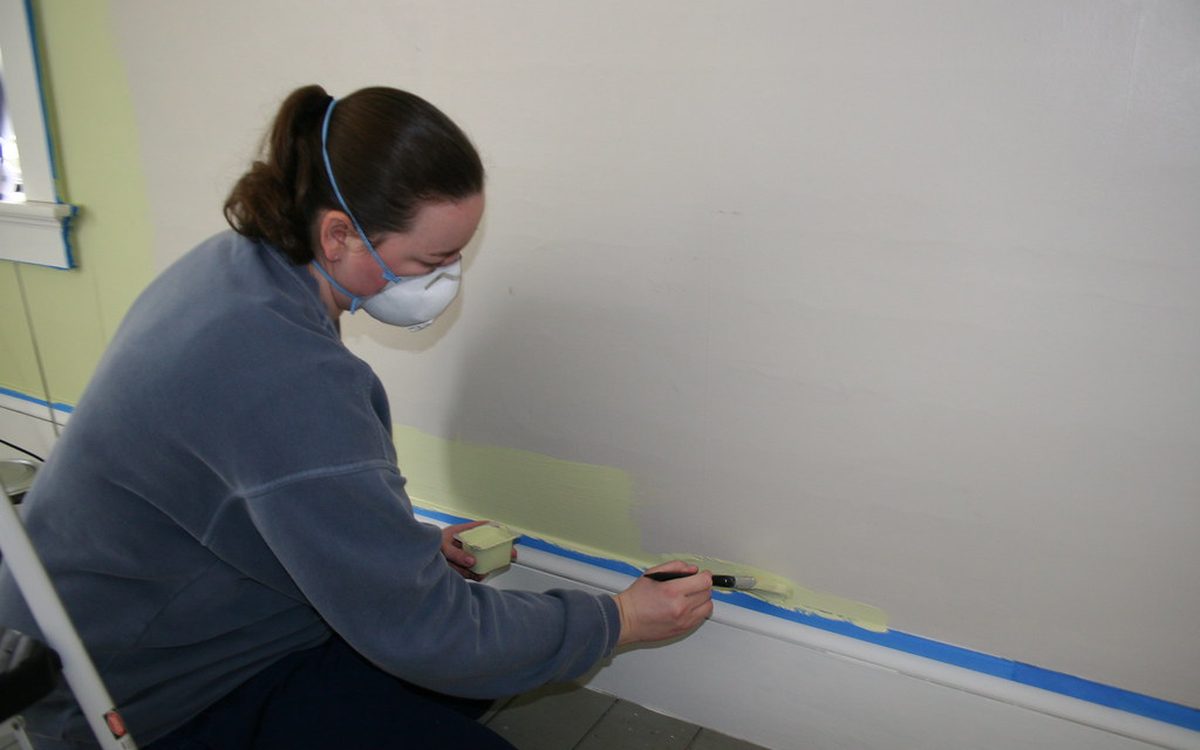
A single interior room in good condition can be a fair DIY project, provided the surfaces and existing coatings are suitable - modern paint on top does not rule out older layers underneath, so the safety checks below come first. With flat walls and low stakes, a bedroom or study is a sensible place to start if you enjoy the work and have a free weekend or two.
The same goes for small touch-up work, a feature wall, or repainting a rental between tenants where the standard expected is tidy rather than perfect.
The time cost is the part people underestimate
Homeowners who paint their own place often report the job taking far longer than planned. Preparation, moving and covering furniture, drying gaps between coats, and cutting in edges by hand all take time, and most of the hours go into preparation rather than painting. A practised crew works faster because preparation, cutting in and rolling are what they do every working day.
The practical question is not whether you can paint. It is how much of your own time you want to spend, and what that time is worth to you.
What the finish difference actually is
The visible difference between DIY and professional work is mostly preparation and edges. Filling, sanding and priming are tedious, and they are the steps most often cut short when time runs out. Straight cut-in lines and even coverage in different light are skills built over years. They are learnable, but the learning happens on your walls.
Safety is a real dividing line
Work at height - ladders, stairwell voids, roofs, scaffolding - carries injury risk at any height, not just above one storey. It calls for the right equipment and an honest assessment of the hazards, or hiring someone who is set up for it.
Paint on older homes is the other divider. Many Australian homes painted before 1970 contain lead-based paint, and some newer homes have paint containing lead too (Better Health Channel, Victorian Government). Sanding or stripping it without the right precautions is a health risk, especially with children in the house. If you suspect old lead paint, testing comes first, and the work calls for a contractor with specific lead-safe training - general experience or insurance alone does not answer that question.
The money comparison, done honestly
DIY saves the labour cost and spends your time instead. Paint and equipment for a whole house are meaningful costs on their own, and trade materials and equipment are part of what a professional's price buys. The other financial risk is a failed job: if the finish fails early, fixing it can cost more than the original work would have.
A practical rule: DIY the low-stakes interior rooms if you want to, and get quotes for exteriors, height work, roofs, and anything with a deadline, such as a sale or a handover. Comparing a quote against your own time and equipment costs is the honest way to decide. Our guides to interior painting and exterior painting set out what each job involves, and preparing your home for painters covers the part you can do yourself either way.
The short version
DIY painting is a fair choice for small interior jobs you have time for. For exteriors, height work, whole houses and deadlines, get a quote first and weigh it against your own time. That comparison, done honestly, usually makes the decision obvious.
Access equipment changes the equation
A professional crew arrives with the ladders, platforms, sprayers, dropsheets, fillers and sanding gear the job needs. Buying or hiring that kit for one house narrows the DIY saving fast, and learning to use unfamiliar equipment is where both time and safety margins go. For a single room the kit is trivial; for a double-storey exterior it is most of the difference.
What a good handover looks like
Whether you DIY or hire, judge the job the same way at the end: straight lines where colours meet, no paint where paint shouldn't be, even coverage in raking light, and everything put back. Professionals walk the job with you and fix the list on the spot. Do the same for your own work - a fresh look the next morning always finds what tired eyes missed.
Weighing up a job? Prime Painting Experts offers free quotes with no call-out fee. Call 0420 596 677 to talk it through.