
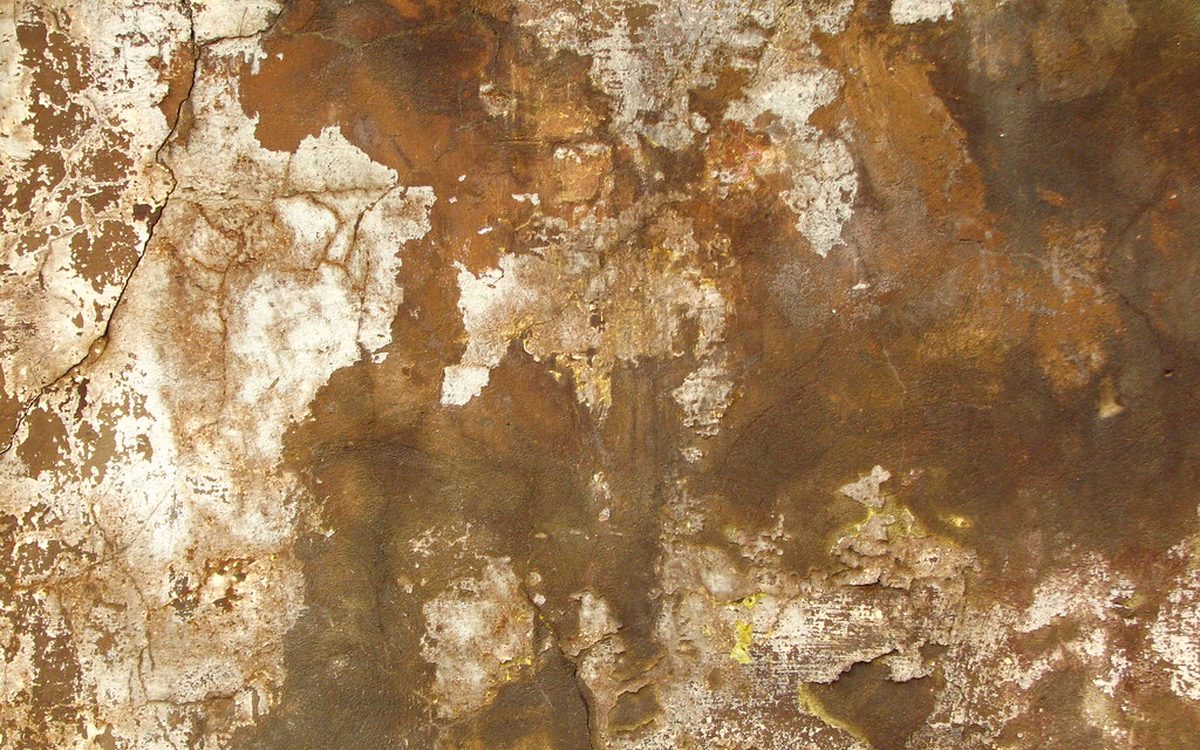
Paint is a thin, honest coating. It shows whatever is underneath: dents, cracks, old patch jobs, stains and sanding marks. That's why preparation - especially plaster repair - is most of what you're paying a painter for.
The damage that needs fixing first
- Dents and holes. Picture hooks, door handles, furniture knocks. Small ones get filled and sanded flush; larger holes need a proper patch with setting compound.
- Cracks. Hairline ceiling and cornice cracks get scraped out, filled and sanded. Recurring wide cracks can signal movement - worth understanding before they're hidden.
- Water damage. Stained or swollen plaster has to dry out and the leak has to be fixed first. Painting over damp plaster guarantees bubbling and mould.
- Flaking and bubbling paint. Usually moisture or a failed old coating. It gets scraped back to a firm edge, sanded, and the cause addressed.
What proper patching looks like
Fill, let it set, sand flush, spot-prime the patch, then topcoat. Skipping the spot-prime is why patches "flash" - you see a dull rectangle under the finished coat in certain light. Done properly, repairs disappear.
Stains need blocking, not covering
Water marks, smoke and tannin bleed straight through ordinary paint, sometimes for coat after coat. A dedicated stain-blocking primer seals them first. One of the clearest differences between a careful job and a fast one.
What you can do before painters arrive
Our preparation guide covers the practical side - moving furniture, flagging problem spots, and decisions to make early. The patching itself is best left to the people who sand walls for a living.
Why cracks come back
A crack that reopens after patching is usually movement, not a bad patch. Houses expand and contract with moisture and temperature, and some cracks live at the joints that move. Flexible fillers and proper taping handle minor movement; significant or widening cracks deserve a closer look before they're buried under paint. A good painter will tell you which cracks are cosmetic and which deserve a building opinion.
Plasterboard versus solid plaster
Most Melbourne homes built since the 1950s are plasterboard over timber or steel frames; older homes often have solid plaster over brick. They repair differently. Plasterboard damage is cut out, patched and re-set with compound; solid plaster repairs involve re-rendering sections and letting them cure properly before painting. Both are routine, but they take different materials and different drying times, which is why patching gets scheduled early in the job.
How repairs are priced
Minor repairs are normally part of the preparation allowance in a painting quote - nail holes, small dents, hairline cracks. Larger repairs - water damage, big holes, sagging plaster - get itemised so you can see what you're paying for. If a quote says "prep included" with no detail, ask what that actually covers.
What not to DIY
Moving a picture hook and filling the hole is fair enough. Re-sheeting a water-damaged ceiling section or re-floating a sagging cornice is not a weekend job - poor repairs telegraph through paint and cost more to redo than to do once. If you're going to pay for the painting, let the repairs be part of the same standard.
Matching texture on patches
Solid plaster and older textured finishes can't be patched flat and left - the patch flashes through the topcoat as a smooth island in a textured sea. Repairs on those surfaces are worked to match the surrounding texture before sealing. It's a small thing that separates an invisible repair from one you point at every time the afternoon light hits the wall.
After the repair: curing time
Fresh patching compound and plaster need drying time before sealing and painting - hours for small patches, longer for deep fills. Painting over damp compound traps moisture, and the patch can flash, bubble or crack back open. A rushed schedule is the enemy of an invisible repair; the drying windows belong in the job plan, not in the excuses.
The short version
Paint hides nothing. Dents, cracks, stains and old patches all show through a finish coat, which is why proper painters spend more time preparing than painting. Get the repairs right and the paint looks after itself; skip them and no topcoat will save the job.
Call 0420 596 677 to talk through what your walls actually need.